CSPO News Announcements
-
Pressure to Publish
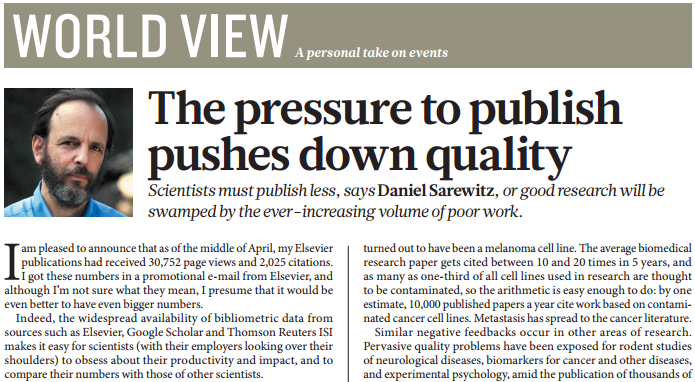
Current trajectories threaten science with drowning in the noise of its own rising productivity, according to CSPO's Dan Sarewitz.
A new Nature article by Dan Sarewitz, suggests that the pressure to publish in the scientific community has led to a growing body of poor work. “Avoiding this destiny will, in part, require much more selective publication,” wrote Sarewitz. “We can start by publishing less, and less often.”
-
CSPO ranked among top S&T think tanks
The Consortium for Science, Policy & Outcomes has been ranked tenth worldwide among science and technology think tanks.
The Consortium for Science, Policy & Outcomes (CSPO) at Arizona State University has been ranked tenth worldwide among science and technology think tanks in the recently issued 2015 Global Go To Think Tank Index Report. In the ranking, CSPO is the top university-based Science and Technology think tank in the US.
-
Science and technology collaboration provides diplomatic openings
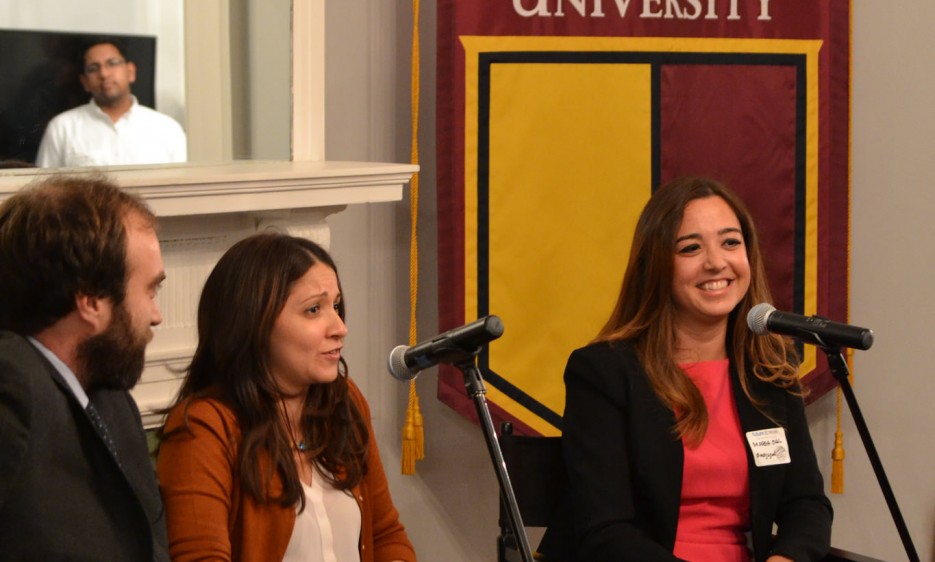
ASU's new School for the Future of Innovation in Society leads the university's global science & diplomacy efforts
Diplomacy is an art, not a science. But science increasingly plays an important role in diplomacy. Some of our biggest challenges can’t be contained within borders, which means that nations around the world need to coordinate their efforts. Meanwhile, science itself can be used as an olive branch: Even when two countries’ political leaders aren’t on good terms, their scientists can exchange ideas, paving the way for more communication down the road. The School for the Future of Innovation in Society has been leading efforts to use science and technology to improve international relations.
-

Managing the complexities of power supply, demand
STIR Cities - new NSF-funded project
While innovations are helping to create “smarter” grids that enable utilities to better monitor, manage and adapt to these changing energy flows, innovations also introduce new issues related to citizens’ rights and responsibilities when it comes to consuming and producing power.
-
New school explores how we can best make the future we want
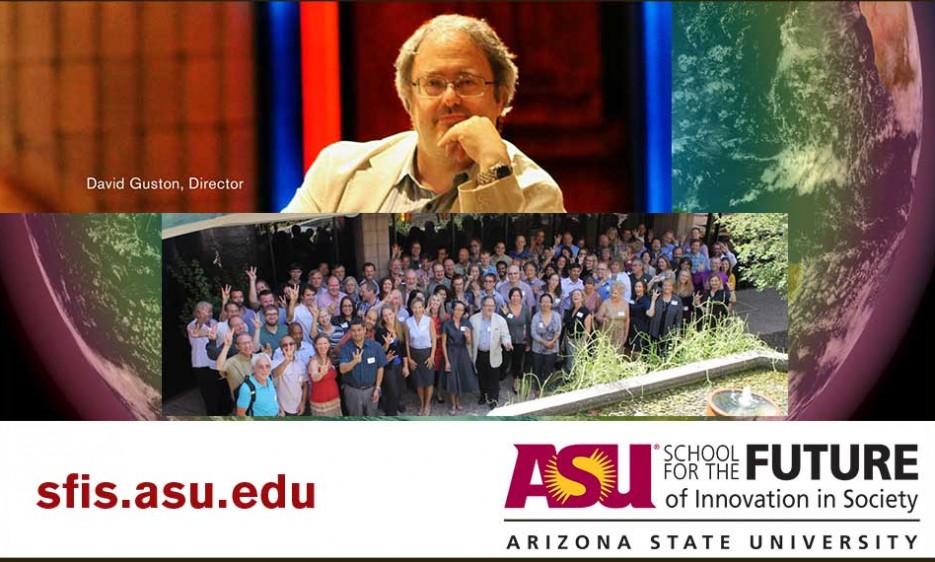
The future—how do we get there from here?
CSPO is pleased to announce the launch of the new School for the Future of Innovation in Society at ASU.
Find additional features in ASU News and AZcentral.
-
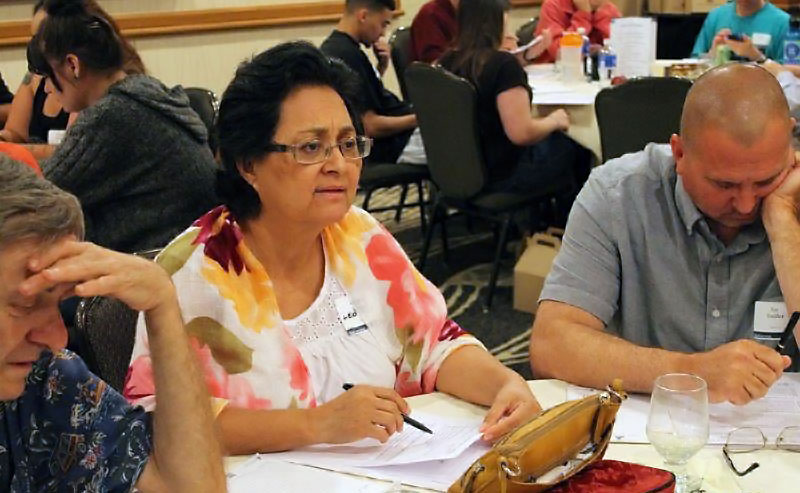
World Wide Views 2015
Arizona joins voices from around the world to share concerns on climate change
As part of the largest ever citizen deliberation on climate and energy, Arizona State University, led one of 96 daylong debates across the globe that compiled views of approximately 10,000 “ordinary” people.
-
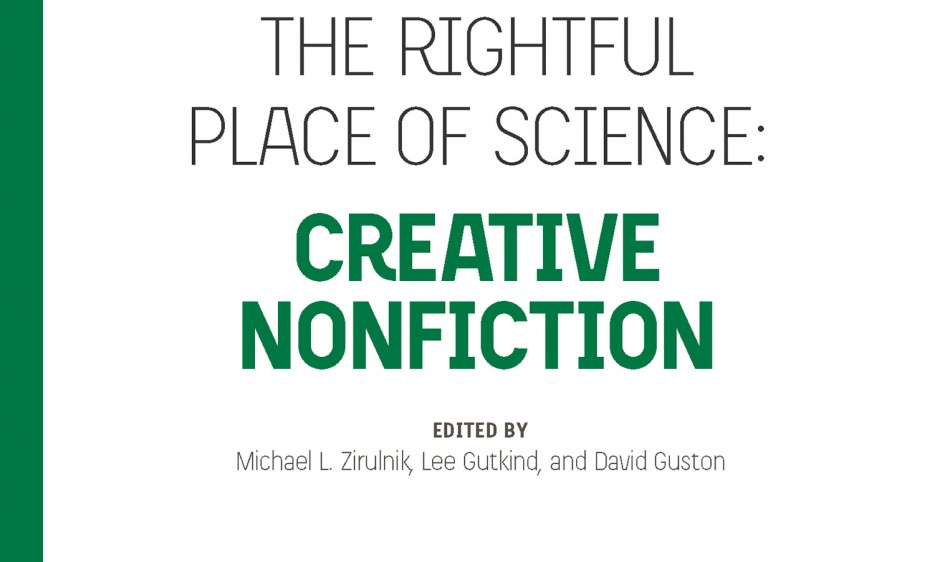
Creative Nonfiction: knockin’ it out of the park
Fifth in Rightful Place of Science book series issued by CSPO
“The Rightful Place of Science: Creative Nonfiction” is the most recent volume in the Rightful Place of Science book series from CSPO. Edited by Lee Gutkind, David Guston and Michael L. Zirulnik, this collection of narrative essays presents expert knowledge about science, technology and innovation policy, without the use of buzzwords and jargon.
-
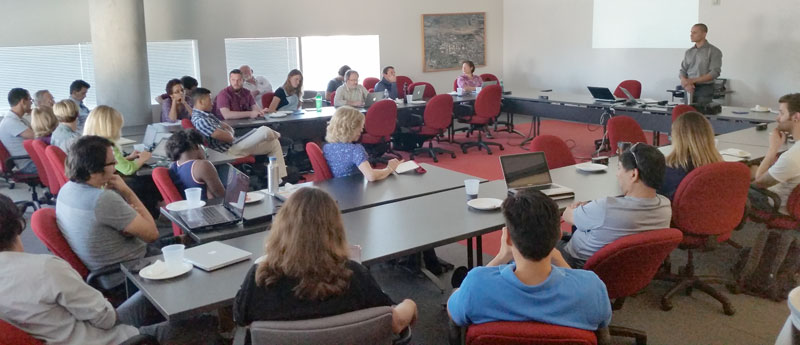
CSPO ranked in top S&T think tanks
And is top university-based Science and Technology think tank in the US
The Consortium for Science, Policy & Outcomes (CSPO) at Arizona State University was ranked tenth worldwide among science and technology think tanks in the recently issued 2014 Global Go To Think Tanks Report. In the ranking, CSPO is the top university-based Science and Technology think tank in the US.
-
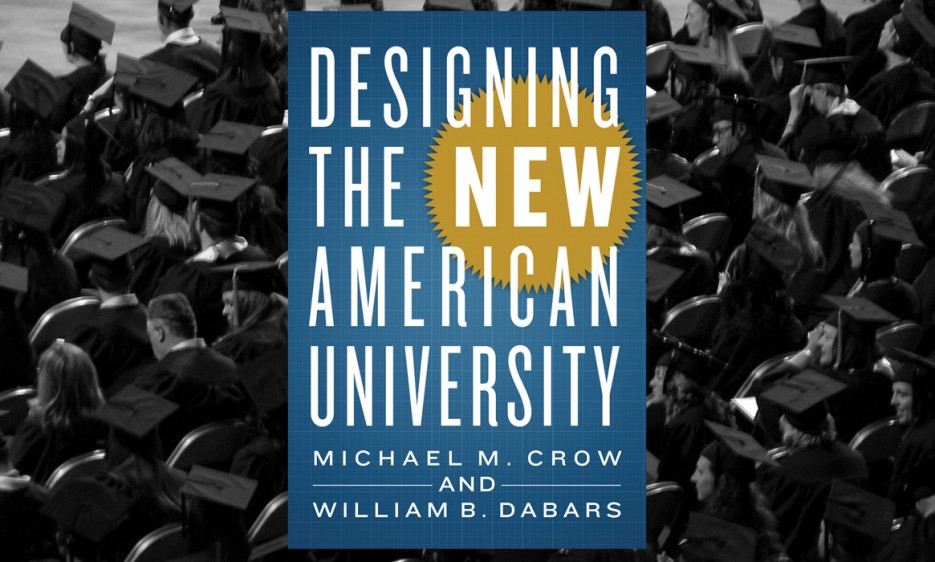
New book: Designing the New American University
by Michael M. Crow and William Dabars
Michael M. Crow and William Dabars examine the contemporary American research university from historical and theoretical perspectives in order to propose the new complementary model and present a case study of the reconceptualization of Arizona State University.