CSPO News
-
World Wide Views 2015
Arizona joins voices from around the world to share concerns on climate change
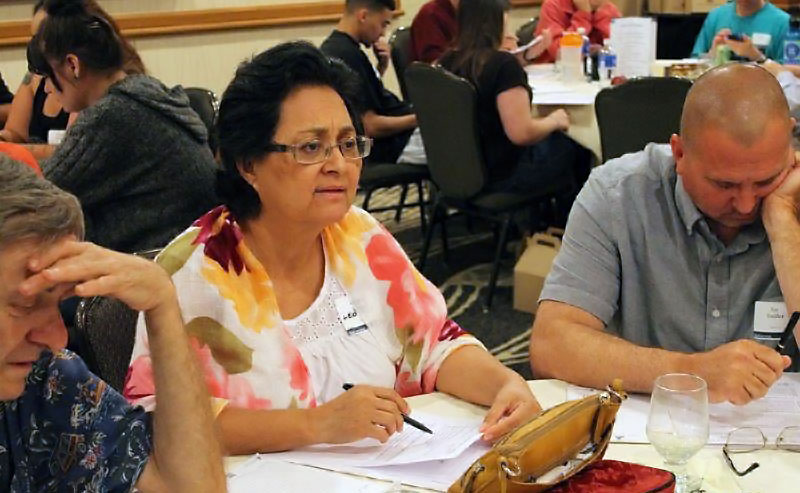
As part of the largest ever citizen deliberation on climate and energy, Arizona State University, led one of 96 daylong debates across the globe that compiled views of approximately 10,000 “ordinary” people.
-
What does it mean to preserve nature in the Age of Humans?
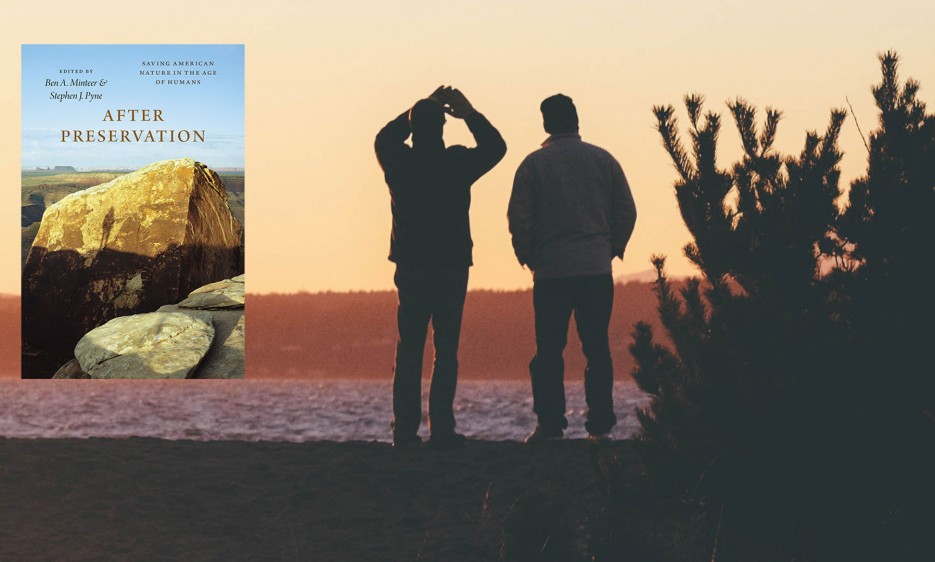
CSPO affiliate Ben A Minteer and coauthor Stephen Pyne discuss their new book—a collection of essays entitled “After Preservation: Saving American Nature in the Age of Humans.”
-
Study on SOtL program winner in student poster competition
How do you measure the opening of a mind? CSPO researcher presents findings
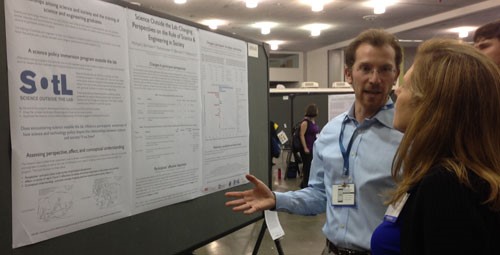
Congratulations to graduate student Michael Bernstein presented a study on CSPO’s Science Outside the Lab program at the AAAS 2015 Annual Meeting, winning the student poster competition in the social sciences category.
-
Can the partnership between science and democracy survive?
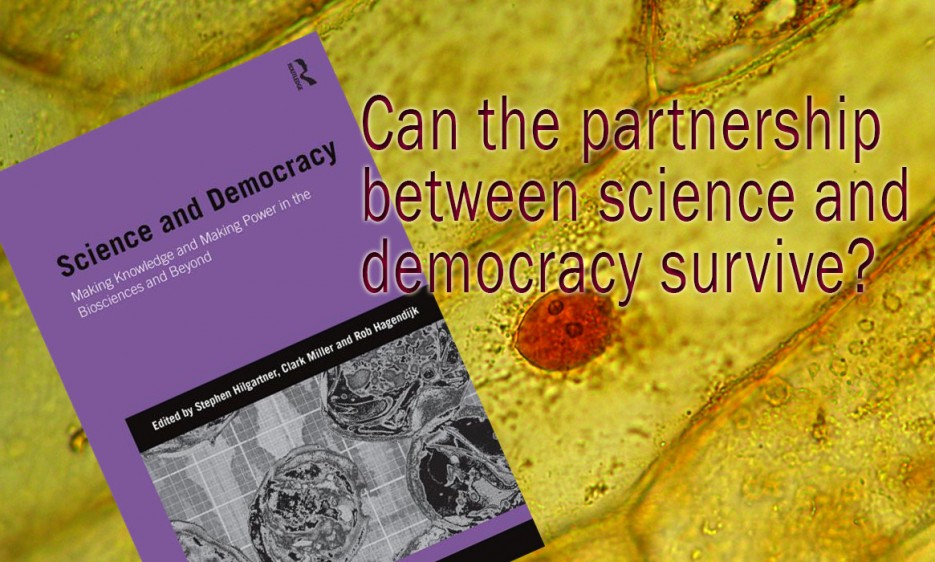
CSPO’s Clark Miller co-authored the new book: Science and Democracy – Making Knowledge and Making Power in the Biosciences and Beyond.
-
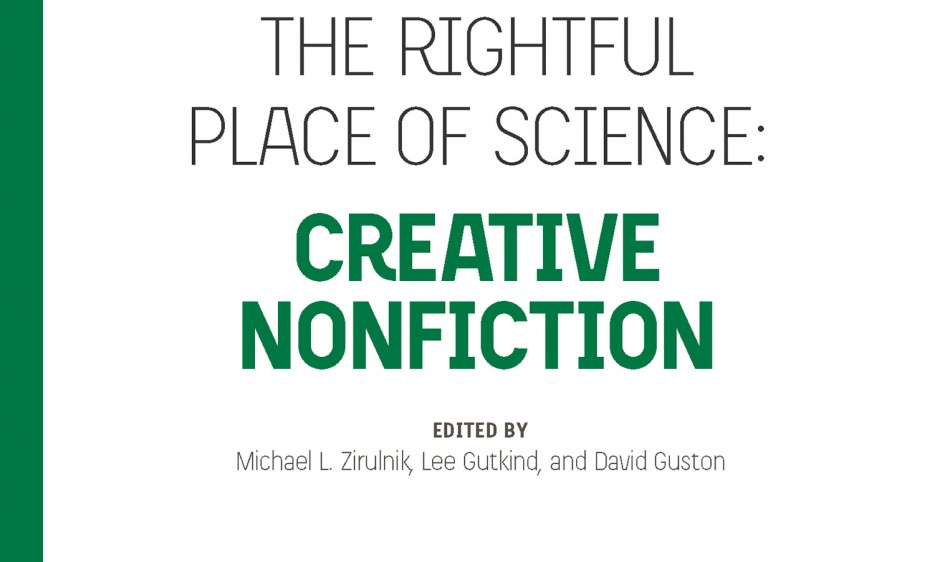
Creative Nonfiction: knockin’ it out of the park
Fifth in Rightful Place of Science book series issued by CSPO
“The Rightful Place of Science: Creative Nonfiction” is the most recent volume in the Rightful Place of Science book series from CSPO. Edited by Lee Gutkind, David Guston and Michael L. Zirulnik, this collection of narrative essays presents expert knowledge about science, technology and innovation policy, without the use of buzzwords and jargon.
-
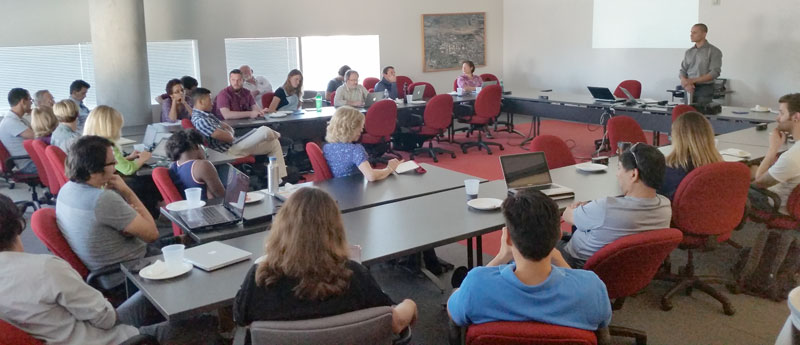
CSPO ranked in top S&T think tanks
And is top university-based Science and Technology think tank in the US
The Consortium for Science, Policy & Outcomes (CSPO) at Arizona State University was ranked tenth worldwide among science and technology think tanks in the recently issued 2014 Global Go To Think Tanks Report. In the ranking, CSPO is the top university-based Science and Technology think tank in the US.
-
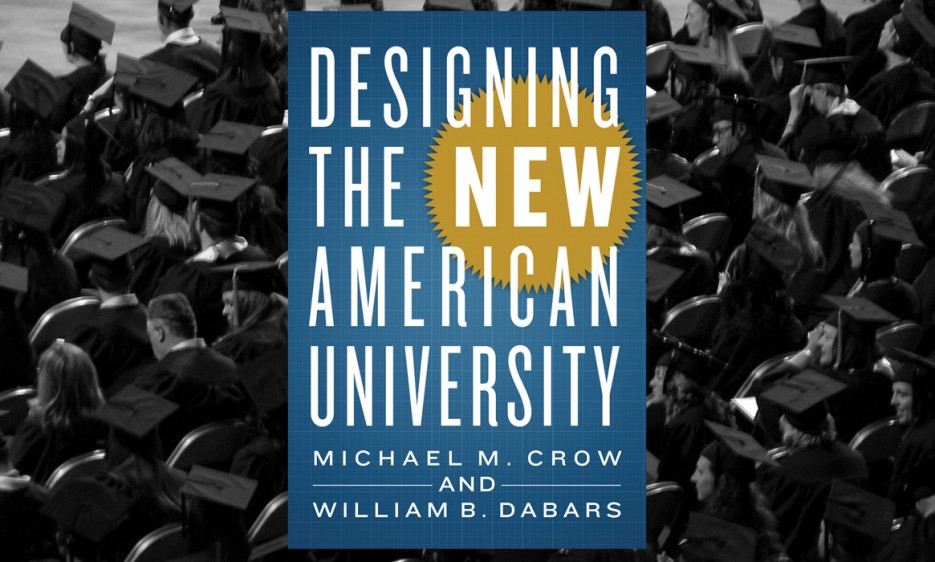
New book: Designing the New American University
by Michael M. Crow and William Dabars
Michael M. Crow and William Dabars examine the contemporary American research university from historical and theoretical perspectives in order to propose the new complementary model and present a case study of the reconceptualization of Arizona State University.
-
Narrative futures and the governance of energy transitions
Article published in Futures
Co-authors Clark A. Miller, et al. argue that futures approaches based on narrative strategies that encourage individual and collective storytelling offer a valuable tool for meeting challenges of governing complex energy systems.
-
There’s No Place Like Home
Science, information, and politics in the Anthropocene
“…remaking the relationship among humans, our knowledge of the world we inhabit, and the relationship between that knowledge and the choices we make about how to try to make the world better.”
This article is part of Future Tense, a partnership of Slate, New America, and Arizona State University. On Thursday, Jan. 15, Future Tense will hold an event in Washington, D.C., titled “How Will Human Ingenuity Handle a Warming Planet?” For more information and to RSVP, visit the New America website.